Isaac Andrade | Senior SAP MM/SD Consultant | Brazil Localization Specialist
I connect global SAP design with Brazil’s business, tax and operational requirements.
Global templates bring consistency. Operating in Brazil introduces tax, electronic invoicing, business and operational requirements that can cut across SAP MM, SAP SD, FI, external solutions and end-to-end processes.
I work at that intersection across SAP S/4HANA and ECC, aligning P2P and OTC processes with Brazilian requirements while keeping them coherent with the broader SAP solution.

Experience built across SAP transformations, Full Lifecycle delivery, global programs and Brazil Localization.
- 25 years of SAP experience
- 12 SAP Full Lifecycle implementations and rollouts
- 11+ SAP S/4HANA engagements
- 20+ Brazil Localization projects
When Global SAP Meets Brazil
Brazil can change the assumptions behind a global SAP design.
The challenge is rarely an isolated tax configuration. Brazilian requirements can affect procurement, sales, pricing, billing, finance, electronic invoicing and integrations. They also shape how local and global teams make decisions. The earlier those dependencies are understood, the stronger the solution.
Entering Brazil
A company launching or expanding operations in Brazil needs to understand what local business processes, tax requirements, electronic invoicing and integrations will require from the SAP landscape.
Adapting a global template
The corporate template needs to preserve its logic while accommodating Brazilian requirements across MM, SD, FI, tax determination and electronic invoicing.
Transforming an existing SAP landscape
Legacy configuration, recurring incidents, regulatory change or fragile integrations can expose assumptions that need to be understood before the environment is changed.
Adding Brazil expertise
Consulting firms, system integrators and client teams may need additional Brazil expertise to challenge assumptions, clarify risks and connect local requirements with the broader program.
Different situations, same starting point: understand the business and solution context before turning a Brazilian requirement into configuration, custom development or an exception to the global template.
How I Work
My role is to make sure every team is solving the same problem.
In a complex SAP program, each group sees a different part of the picture. Business teams know the operation. Tax specialists know the legal requirements. Functional teams know the SAP processes. Architects, developers and solution providers know the systems and integrations. Risk increases when those perspectives start producing different answers for the same end-to-end flow.
I start by understanding the process end to end: the business need, the SAP design, the Brazilian requirement and the dependencies around it. From there, I connect the teams, make the trade-offs visible and help turn decisions into a solution that works within both the global model and the Brazilian operation.
In practice, that means working across SAP MM/P2P, SAP SD/OTC, FI integration, Brazil Localization, electronic invoicing, tax determination and external tax and enterprise solutions. In multinational teams, it also means explaining Brazilian requirements in a way global stakeholders can act on while keeping the needs of the local operation represented in the decision.
Learn More About My Background
Selected SAP Experience
Experience is where this approach has to prove itself.
Across global rollouts, SAP transformations and Brazil Localization initiatives, the context changes, but the challenge is often similar: connect the Brazilian operation with the broader SAP solution while keeping the end-to-end process coherent.
Shell | SAP SD/OTC, Brazil Localization & Tax Integration
Keeping one sales flow coherent across SAP, tax and electronic invoicing.
For Shell’s Power and Gas businesses in Brazil, I worked on the adaptation of a global SAP ECC template across sales, pricing and billing, connecting SAP SD/OTC with Brazil Localization, ONESOURCE Tax One, ONESOURCE Indirect Tax Determination (OITD), SONDA Comply and SONDA Comply e-Docs.
The work required functional decisions to remain aligned across the SAP process, tax determination and electronic invoicing landscape. The Power workstream reached production, providing a practical example of how global design and Brazilian requirements need to operate as one integrated process.
Roche | Brazil OTC Lead, S/4HANA & Global Template
Giving Brazil a clear voice inside a global S/4HANA transformation.
In Roche’s ASPIRE program, I led the Brazil OTC workstream, aligning the global template with Brazilian commercial and tax requirements. The work included fit-gap analysis across sales, pricing, billing and tax determination, together with the analysis of Vistex-to-SAP pricing interfaces and their changing integration scope after ONESOURCE Tax One was introduced.
The role required translating local requirements and integration dependencies into decisions that could be understood and addressed within the broader global program.
Innospec | Global S/4HANA Greenfield Rollout & Brazil Localization
Building Brazil into the global SAP model from day one.
At Innospec, I designed and implemented Brazil Localization processes for a new Brazilian operation within a global SAP S/4HANA Greenfield rollout. The work connected SAP SD/OTC, sales, pricing, billing and NF-e with SAP MM, FI, GUEPARDO Tax and GUEPARDO e-Invoicing.
From requirements and Brazil-specific process design through RICEF items, testing, go-live and stabilization, the project required local processes to be built as part of the global solution rather than treated as a separate layer added later.
IMI Fabi | SAP MM/SD, SAP DRC & Brazil Tax Reform
Connecting regulatory change to the processes it actually affects.
At IMI Fabi, I led SAP MM/SD functional workstreams integrated with FI across two connected initiatives: the migration from SAP GRC NF-e to SAP DRC and the implementation of Brazil Tax Reform requirements.
The work covered inbound and outbound processes, pricing, tax determination, NF-e, MIGO, MIRO, Smart Tax Platform integration and CBS and IBS requirements. It showed how regulatory change in Brazil can affect multiple parts of an existing SAP landscape at the same time.
Insights from Delivery
Project experience can inform decisions beyond the project itself.
Some of the most valuable lessons in SAP delivery come from the points where standard design meets operational reality. I use articles, project perspectives and selected content to explore those moments, particularly where global SAP models, Brazil Localization and business execution intersect.

Featured Article | Brazil Inside SAP
When a Global SAP Template Meets Brazil: The Complexity Projects Still Underestimate
Why Brazil Localization often looks smaller during planning than it becomes once business processes, tax requirements, electronic documents and integrations start interacting.
Read the ArticleVideo | SAP Life Brasil
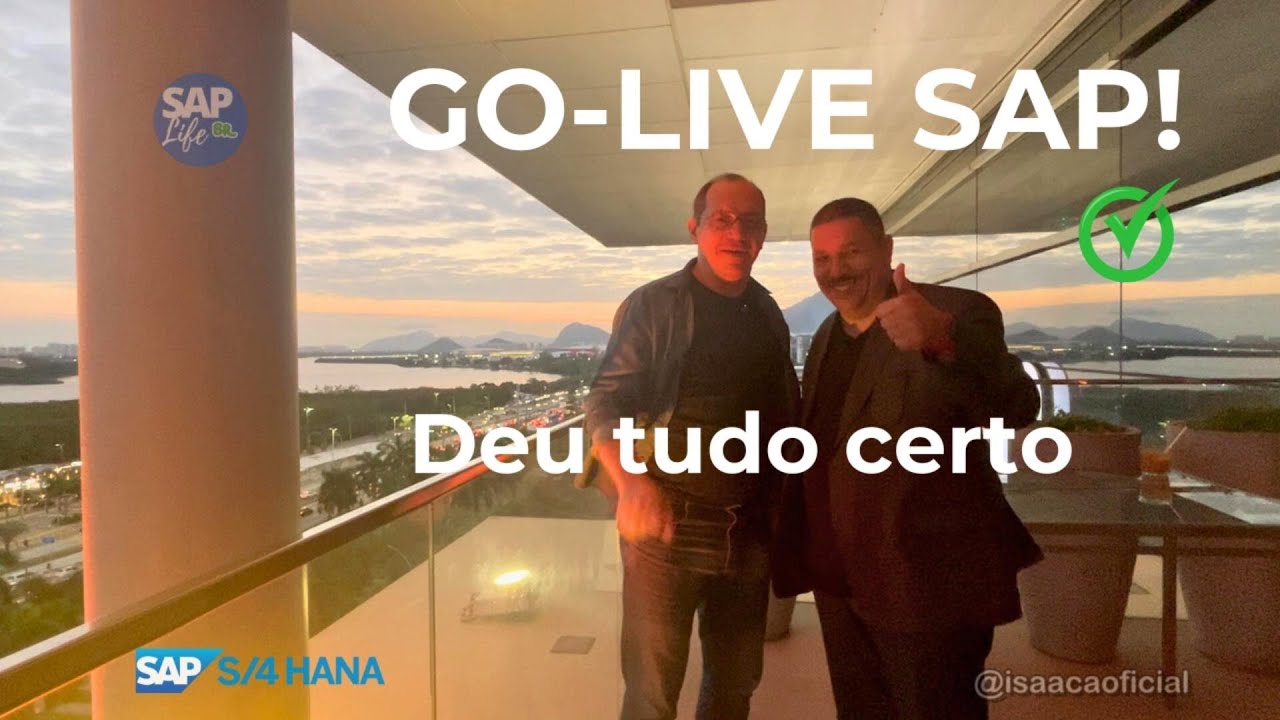
Go-Live Through the Eyes of the People Who Lived It
A conversation with Innospec key user Marcelo Cardoso about the project from the perspective of someone who experienced the new SAP environment becoming part of the operation.
Watch the VideoLet’s Talk
Bringing SAP to Brazil, or making an existing operation work better?
Whether the challenge involves a global rollout, an existing SAP landscape, Brazil Localization or a specific integration between global design and local requirements, the first step is understanding the context.
Tell me where the project stands, what the current design needs to achieve and where Brazil is creating questions, dependencies or decisions that need a closer look.
For consulting engagements that require a contractual structure or additional delivery capabilities, TargPoint Consulting provides the business and delivery framework.